
Plant-Forward Eating: The Blue Zone Secret
Kristen Thibeault
January 10, 2026 • 6 min read
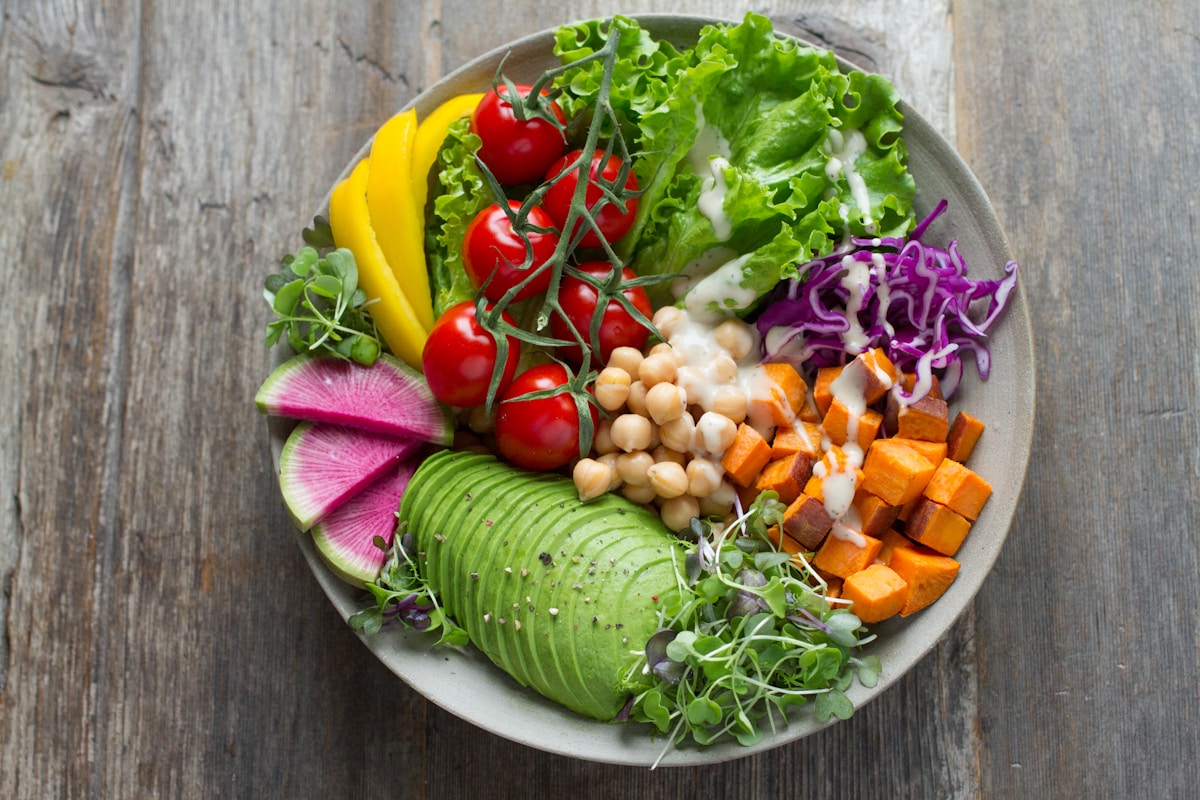
Every Blue Zone on earth has one thing in common: they eat mostly plants.
Not because it's trendy. Not because of ideology. Because it works.
The people living longest and healthiest in Okinawa, Sardinia, Ikaria, Nicoya, and Loma Linda aren't following diets. They're eating the way humans ate for thousands of years, whole foods, mostly plants, with community.
Plant-Forward, Not Plant-Only
Let's clear something up: plant-forward doesn't mean plant-only.
In most Blue Zones, people eat small amounts of meat, usually on special occasions, as a side dish, or for flavor. But the foundation is always plants: beans, vegetables, whole grains, nuts, seeds, and fruit.
This isn't about perfection or purity. It's about priority. Plants first, everything else second.
Why Plants Win for Longevity
Here's what science tells us about why plant-forward eating extends lifespan:
Fiber feeds your gut microbiome. A healthy gut is linked to better immunity, mood, and longevity. Plants are the only source of dietary fiber.
Antioxidants fight inflammation. Chronic inflammation drives aging. Colorful plants are packed with antioxidants that keep inflammation in check.
Lower disease risk. Plant-heavy diets reduce risk of heart disease, diabetes, cancer, and cognitive decline, the big killers as we age.
Natural calorie control. Plants are nutrient-dense but calorie-light. You can eat until you're full without overeating.
How to Make It Simple
Plant-forward eating doesn't require fancy recipes or expensive ingredients. Here's how to make it work in real life:
1. Build Your Meals Around Plants
Think of plants as the star, not the side dish. Fill half your plate with vegetables. Add beans, lentils, or chickpeas for protein. Include whole grains like quinoa, brown rice, or farro.
2. Keep It Colorful
The more colors on your plate, the better. Different colors mean different nutrients. Red tomatoes, orange carrots, green kale, purple cabbage, eat the rainbow.
3. Don't Overthink It
You don't need 47 ingredients. A simple bowl with roasted vegetables, beans, tahini, and brown rice is perfect. So is a big salad with nuts, avocado, and lemon dressing.
4. Prep Once, Eat All Week
Batch cook your basics. Roast a sheet pan of vegetables. Cook a big pot of beans or lentils. Make a grain salad. Mix and match throughout the week.
What I Eat in a Typical Day
Morning: Oatmeal with berries, walnuts, cinnamon, and a drizzle of almond butter.
Lunch: Big salad with mixed greens, chickpeas, cucumber, tomatoes, olives, and tahini dressing. Whole grain bread on the side.
Dinner: Stir-fried vegetables with tofu or tempeh, served over quinoa or brown rice. Simple, satisfying, delicious.
Snacks: Fruit, raw almonds, hummus with veggies, or a handful of dates.
Nothing fancy. Just real food that makes me feel alive.
The Blue Zone Lessons
Here's what the longest-lived people teach us about eating:
Stop eating when you're 80% full. The Okinawans call this "hara hachi bu." It prevents overeating and gives your body time to register fullness.
Eat with people you love. Meals are social events, not fuel stops. Community and connection matter as much as what's on the plate.
Enjoy your food. There's no stress, guilt, or restriction. Food is celebrated, not feared.
Start Where You Are
You don't have to overhaul your entire diet overnight. Start small:
Add one extra serving of vegetables to dinner tonight.
Swap one meat-based meal this week for a plant-based one.
Try a new plant-based protein, lentils, chickpeas, black beans.
Small changes, done consistently, create massive results over time.
Plant-forward eating isn't a diet. It's a return to what works, what has always worked. Simple, delicious, life-extending food that the earth provides.
Your body will thank you. Your future self will, too.